
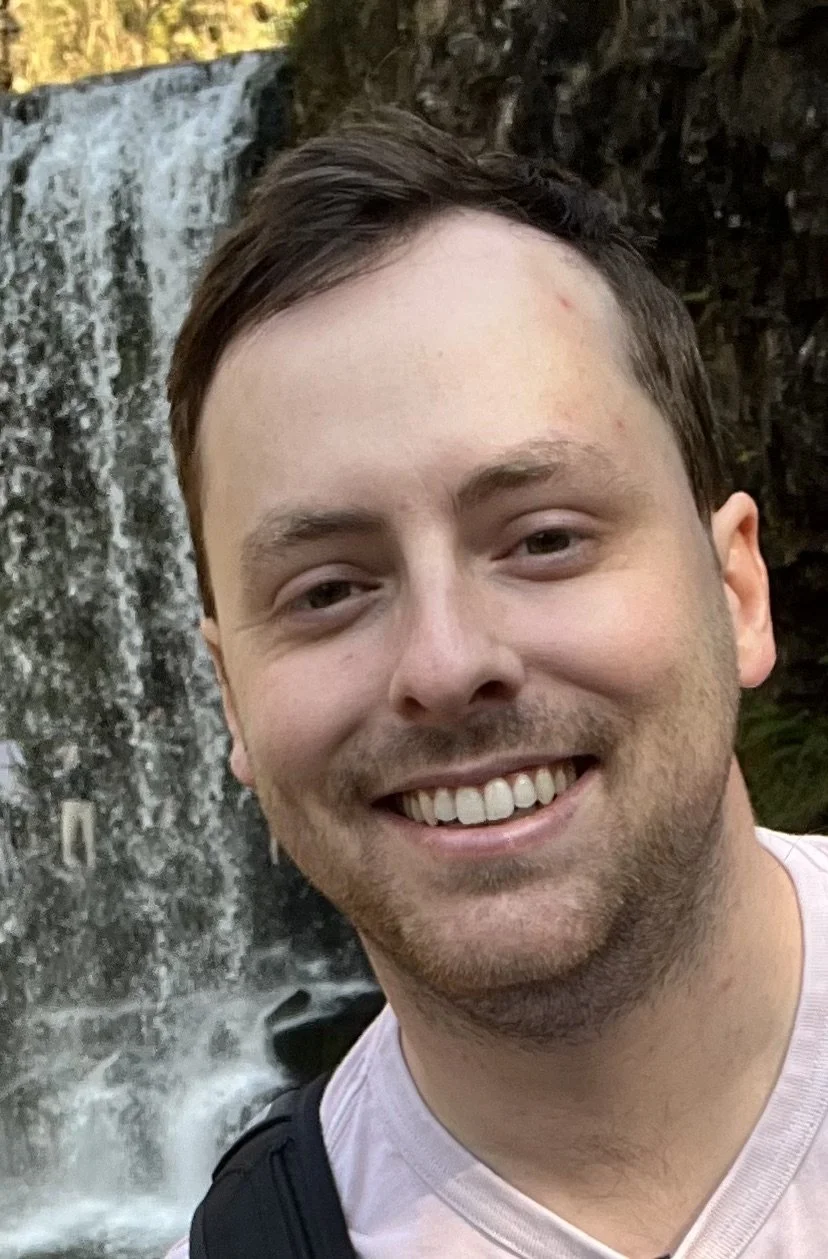
Hi, I’m Brad 👋
At 35 years old, I was diagnosed as autistic and with ADHD.
It came as a shock—but not a surprise.
For as long as I can recall, something felt off in my life. I never quite fit in on the playground in school, and I rarely felt understood. That feeling of being different stayed with me through school, university, work, marriage and fatherhood.
Over time I began to ask why life seemed harder for me than for others — and I started to find answers that I hoped were right.
Diagnosis rates for neurodivergent conditions in adults are at an all-time high, yet many people remain undiagnosed. I’m certain there are many others living Life on Hard Mode without even realising it.
___________________________________________________
Life on Hard Mode is the perfect metaphor for living with undiagnosed neurodivergence:
It’s not our fault, but the settings we were born with
We need strategies to succeed
We’re all in this together
Life is hard, and we need to look out for each other
If you’re living life on hard mode too, come join us and subscribe for free!
Who is this newsletter for?
How does it work?
Join me if you:
have a diagnosis or self-identify as neurodivergent
are a partner or friend of someone you know or suspect may be neurodivergent
aren’t diagnosed but are beginning to question why you experience things the way you do
are curious about neurodivergence and the people who live it
If you are — or think you might be — living life on hard mode, you’re welcome here. This is a space where the big light stays off.
Life on Hard Mode will publish weekly, focusing on neurodivergence discovered later in life — recognition, diagnosis, self-discovery, and more. Knowing many of us (myself included) have short attention spans, each post is designed to be read in five minutes or less.
Best of all, this is a network for people worldwide who’ve been living on difficult settings and are only now finding out why. It can feel isolating, so subscribing connects you with others who understand.